Hummus is one of the world’s favourite dips: cooked chickpeas blended with tahini, lemon, garlic and olive oil until smooth. It has been eaten across the eastern Mediterranean for centuries, several countries claim it as their own, and it is now in every supermarket fridge. Here is where it comes from, how it changes from country to country, and how to make it properly.
Hummus is simply the Arabic word for chickpea. The full name of the dip is hummus bi tahina, “chickpeas with tahini”, but everyone shortens it. The word entered English dictionaries in the middle of the 20th century, and it is spelled in several ways: hummus, houmous, hommos. In Turkish it is humus.
Nobody knows exactly where hummus was first made. Chickpeas have been grown in the region for thousands of years, and Lebanon, Syria, Palestine, Israel, Egypt, Jordan and Turkey all have a strong claim to the dish.
The oldest written recipes for something like it come from cookbooks compiled in Cairo in the 13th century, which describe mashed chickpeas with vinegar, preserved lemons, herbs, spices and oil. The version we know today, with plenty of tahini, lemon juice and garlic, became common much later.
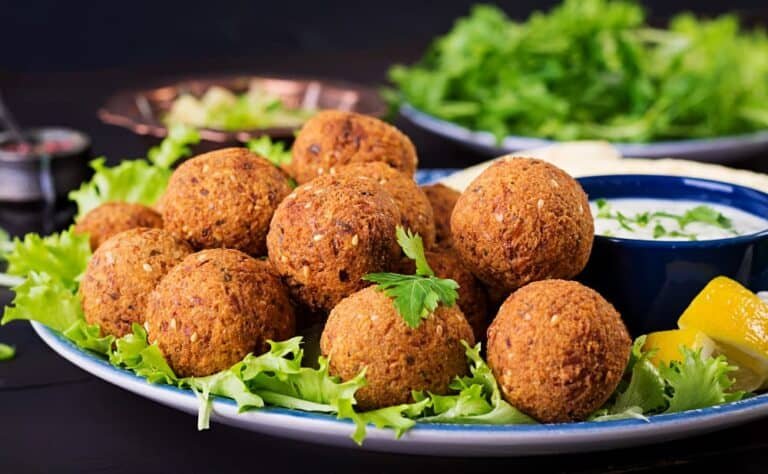
The question of ownership has even become a friendly competition. In 2008, a group of Lebanese food producers said they wanted hummus, tabbouleh and falafel recognised as Lebanese, in the way feta is protected as Greek, but nothing came of it. Then came the world records: in 2009 Lebanese chefs made a dish of about 2,000 kg of hummus; in early 2010 the Israeli Arab village of Abu Ghosh answered with about 4,000 kg; and later that year Lebanon took the record back with 10,452 kg, served in a giant plate in Beirut.
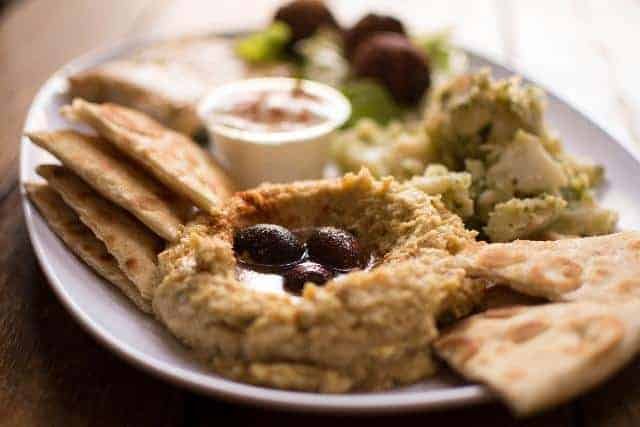
Every country, and often every family, has its own way of making and serving hummus. Some of the best-known styles:
Very smooth, with tahini, lemon, garlic and olive oil. A favourite version is hummus bil lahme, topped with sizzling minced lamb and toasted pine nuts.
Alongside smooth hummus, Damascus and Palestinian kitchens make msabbaha: warm, whole chickpeas folded into tahini, lemon and garlic, chunkier and served warm. Hummus is always part of a meze spread.
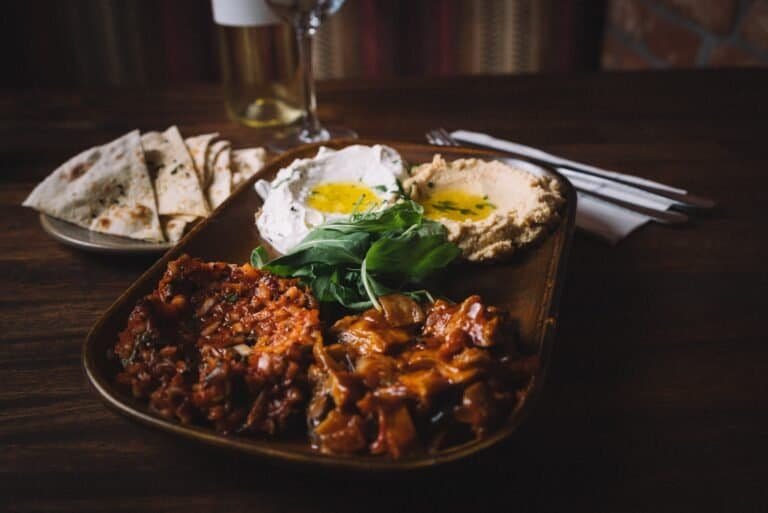
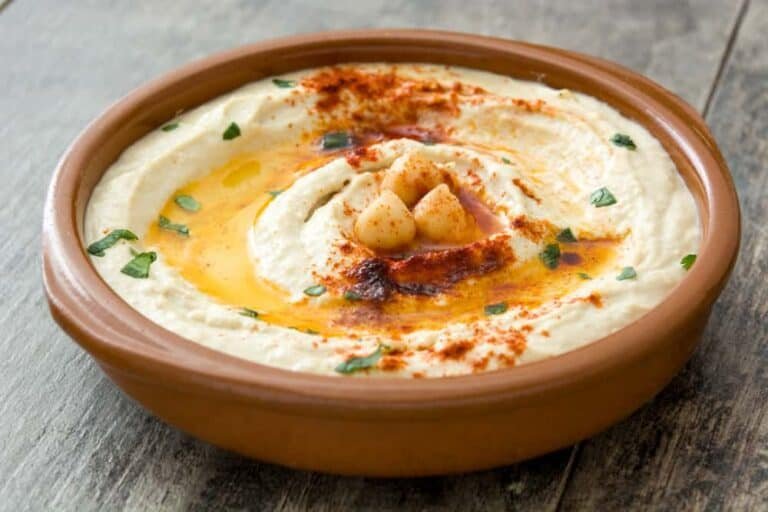
In Israel, hummus is eaten as a meal rather than a dip, in specialist cafés called hummusiyas. It comes in a wide bowl, topped with whole chickpeas, olive oil, paprika or cumin, sometimes with a boiled egg or ful (fava beans), and mopped up with pitta.
In Jordan, hummus is a breakfast staple, often eaten next to ful medames, stewed fava beans, with fresh bread, raw onion and mint.
Humus is most popular in the south of Turkey, around Adana, Antakya and Gaziantep. It is often served warm, topped with melted butter and red pepper flakes, sometimes with slices of pastırma, the spiced cured beef.
Supermarket hummus is everywhere and comes in every flavour, from red pepper to caramelised onion. It is convenient, but it is often thicker and less lemony than fresh hummus, and it may contain preservatives and extra oil. Freshly made hummus tastes noticeably brighter.
Good hummus needs only a few ingredients, so use good ones. For four people:
Blend the tahini, lemon juice, garlic and salt first, then add the chickpeas and blend for a few minutes, adding the cold water a spoonful at a time until the hummus is smooth and light. Taste for lemon and salt. Spread it in a shallow bowl, make a well in the middle and fill it with olive oil, then dust with paprika or sumac. Two tips: very soft chickpeas make the smoothest hummus, and the ice-cold water is what makes it fluffy.
Hummus is a good everyday food. Chickpeas are a source of plant protein and fibre, tahini and olive oil provide mostly unsaturated fats, and there is little sugar. Like any food, the portion matters: it is fairly high in calories, so a few spoonfuls with vegetables or bread is a sensible amount.
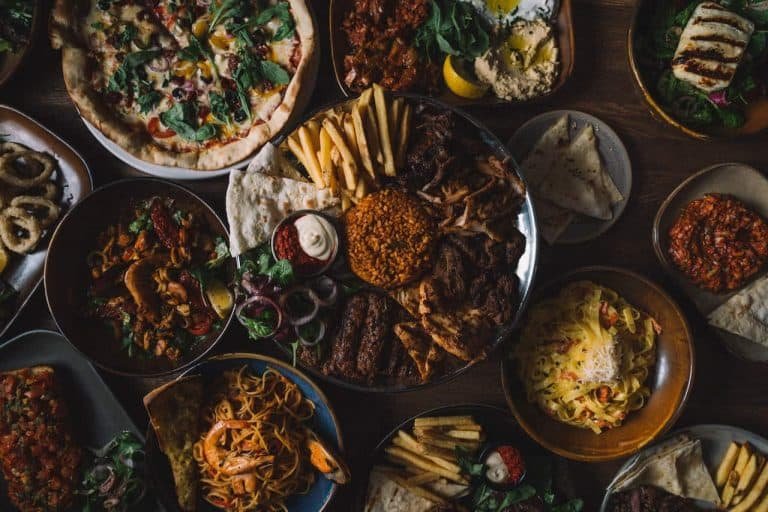
At Nosta, hummus is made from chickpeas, garlic, tahini and olive oil and served with house bread (€8.90). It is also part of our meze plate for two (€23.90), with tzatziki, ezme and aubergine salad. See the dinner menu.