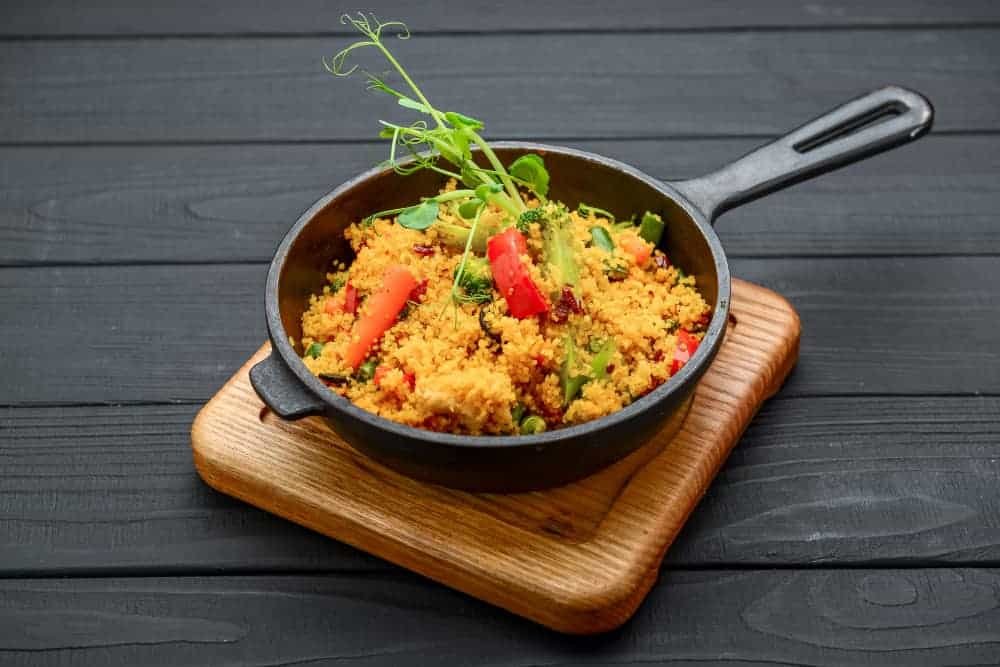
Couscous is the everyday staple of North Africa: tiny granules of durum wheat semolina, steamed until light and fluffy and served with a stew of vegetables, chickpeas and meat. It is cheap, quick and endlessly adaptable, and in 2020 UNESCO added the knowledge and traditions of couscous to its list of the world’s intangible cultural heritage. Here is what couscous is, where it comes from, the main types, and how to cook it properly.
Many people think couscous is a grain, like rice or quinoa, grown somewhere in Morocco. It is not. Couscous is made from semolina, the coarse, golden flour of hard durum wheat, the same wheat used for Italian pasta. The semolina is moistened and rolled into tiny granules, then steamed and dried. So, in a sense, couscous is a very small form of pasta, and it contains gluten.
Couscous is a source of carbohydrate with some plant protein and fibre (more if you choose wholewheat couscous), plus B vitamins and selenium.
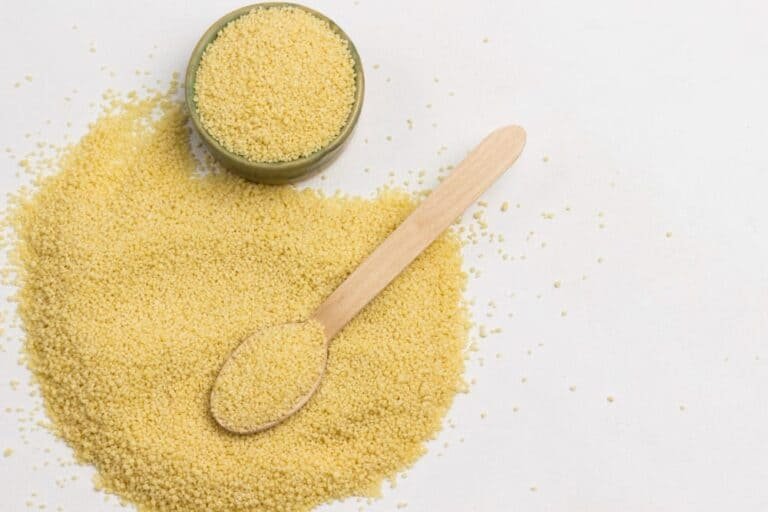
The word is thought to come from the Berber (Amazigh) seksu or k’seksu, the name still used for the dish across the Maghreb. It is often linked to the Arabic kaskasa, to pound or grind small. In Morocco and Algeria couscous is simply called “food” in many homes, because for generations it was the meal at the centre of family life, especially on Fridays.
Couscous was almost certainly created by the Berber (Amazigh) peoples of North Africa, but nobody knows exactly when. Some archaeologists have pointed to cooking pots found in Algeria, in the old kingdom of Numidia ruled by King Masinissa in the 2nd century BC, that look like early couscous steamers; others say the evidence is not conclusive.
The first clear written recipes appear in the 13th century, in Arabic cookbooks from Moorish Spain and North Africa, such as the Fudalat al-Khiwan by Ibn Razin al-Tujibi. By then couscous was made much as it is today: semolina rolled by hand, steamed in a couscoussier, the two-tier pot in which a stew simmers below and its steam cooks the couscous above.
From North Africa, couscous travelled with traders and migrants: to Sicily (where cuscus with fish is still made around Trapani), to West Africa, to the Middle East and, in the 20th century, to France, where it became one of the country’s favourite dishes.
Traditionally, couscous was made at home, often by groups of women working together. Semolina was sprinkled with salted water and rolled between the palms in a wide dish until it formed tiny granules, which were sieved, steamed and dried in the sun so they would keep for months.
Today almost all couscous is made in factories: semolina and water are tumbled in rotating drums to form granules, which are steamed, dried and packed. Most supermarket couscous is this pre-steamed “instant” kind, which is why it cooks in five minutes.

Instant couscous (the kind sold in most shops) does not need boiling. For two people:
Traditional couscous is steamed two or three times over a simmering stew in a couscoussier, with the grains fluffed and moistened between steamings. It takes longer, but the couscous is lighter and soaks up the flavour of the stew.
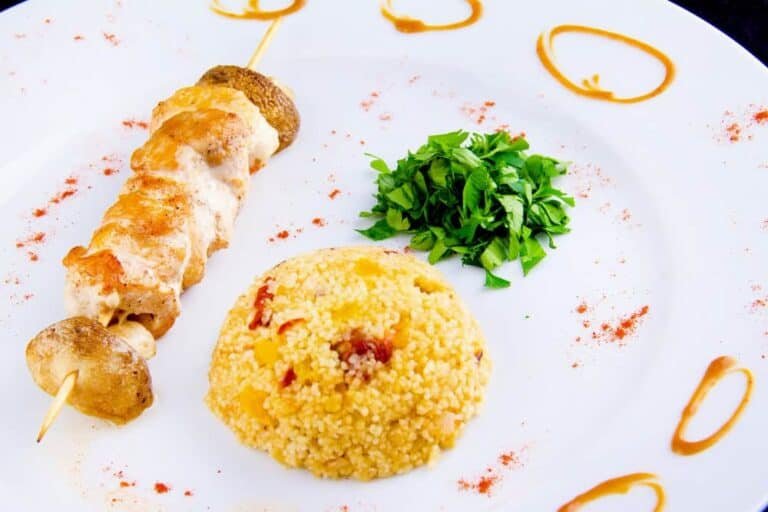
Serve couscous with a vegetable or chickpea stew, a tagine, grilled meat or fish, or cold as a salad with chopped vegetables, herbs and a lemon dressing. It works anywhere you might serve rice.
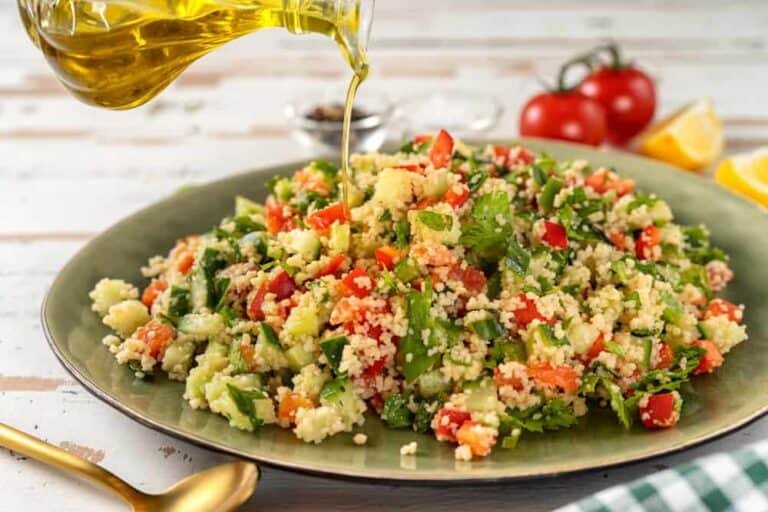
The fine-grained couscous most people know. It is steamed over a stew of seven vegetables, lamb or chicken, often with chickpeas and raisins, and seasoned with saffron, ginger and cinnamon. Sweet versions, such as seffa, are topped with sugar, cinnamon and almonds and sometimes served with milk.
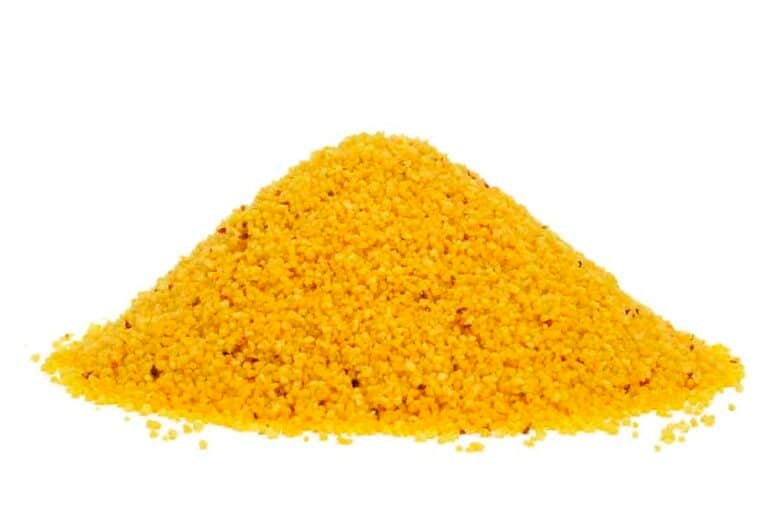
Tunisian couscous is spicier and redder, cooked with tomato and harissa, the hot paste of dried chillies, garlic, olive oil and spices such as caraway and coriander. On the coast it is often served with fish.
Maftoul has bigger, hand-rolled pearls, made from bulgur wheat rolled in flour. It is cooked with chicken, onions and chickpeas in a rich broth.
Sometimes called Israeli couscous or ptitim, these are small toasted balls of pasta, the size of peppercorns, with a chewy texture. They are cooked like pasta and are good in salads and soups.
In Egypt, couscous is often eaten as a sweet dish, with butter, sugar, nuts and raisins, sometimes dusted with icing sugar and served with warm milk.
Brought by North African families, couscous became one of the most popular dishes in France. Couscous royal, served with a vegetable broth and a mix of meats including merguez sausages, is a classic in restaurants all over the country.
In West Africa, from Senegal to Niger, cooks make couscous-style dishes from millet or fonio, a small, ancient grain, as well as from wheat.
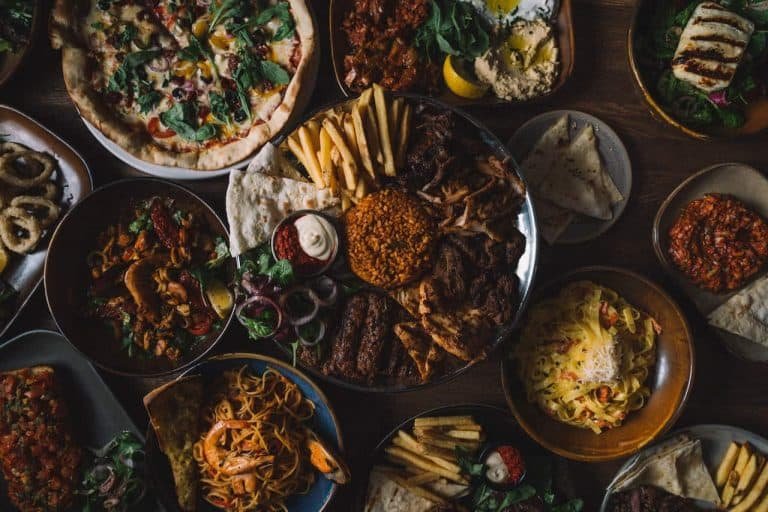
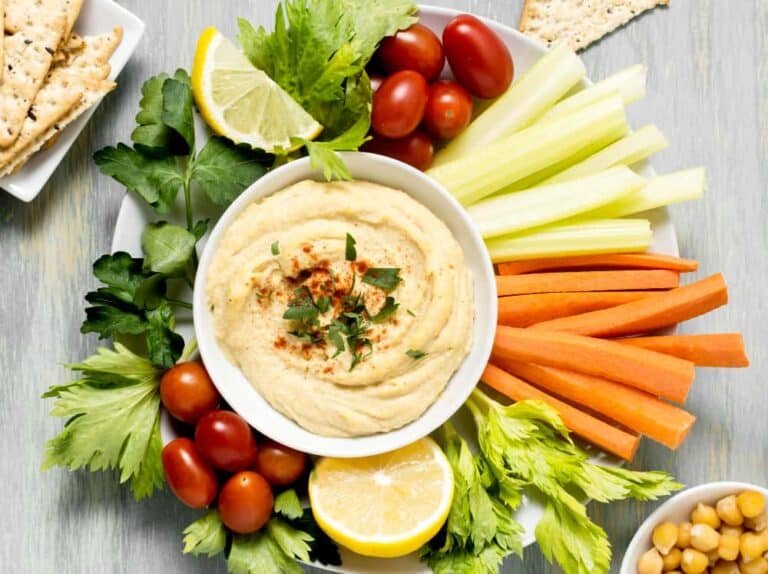
Couscous is not on the menu at Nosta, but the North African and Turkish flavours around it are: meze such as ezme and hummus, chargrilled skewers with rice, and pide from the wood-burning oven. It is one of the staples of Mediterranean cuisine. See the dinner menu.